
Few outdoor experiences compare to the freedom of solo hiking. Without having to match someone else’s pace or schedule, you can fully immerse yourself in nature, enjoy the quiet of the wilderness, and challenge yourself both physically and mentally. Whether you’re tackling a mountain trail, exploring a forest path, or wandering through a scenic state park, hiking alone can be incredibly rewarding.
However, solo hiking comes with unique risks. When you’re on the trail by yourself, there isn’t a hiking partner nearby to help if you become injured, lost, or encounter unexpected challenges. That’s why preparation and awareness are essential for every solo hiker.
By following a few important safety practices, you can confidently enjoy your adventure while minimizing potential risks.
Start with a Well-Planned Route
Every successful solo hike begins long before you step onto the trail. Taking time to research your route can prevent many common hiking problems.
Before heading out, study trail maps, review recent trail conditions, and understand the difficulty level of the hike. Pay attention to factors such as elevation gain, trail length, water availability, and expected hiking times. If you’re exploring a new area, familiarize yourself with landmarks and emergency exit points.
Most importantly, let someone know where you’re going. Share your route, estimated departure and return times, and any alternate plans. If something unexpected happens, this information can be critical for search and rescue teams.
Check Weather Conditions Carefully
Weather can be one of the most unpredictable factors during a hiking trip. Conditions that seem perfect at the trailhead can change dramatically within a few hours.
Check the weather forecast before leaving and monitor any potential changes throughout the day. Sudden rainstorms, strong winds, extreme heat, or cold temperatures can quickly turn a pleasant hike into a dangerous situation.
Dress in layers that can be added or removed as conditions change. A lightweight waterproof jacket is always a smart addition to your backpack, even when sunny skies are expected.
Remember that turning back due to bad weather isn’t a failure—it’s a smart decision that keeps you safe for future adventures.
Carry the Right Safety Gear
One of the biggest mistakes solo hikers make is assuming they won’t need emergency equipment because their hike is short or familiar.
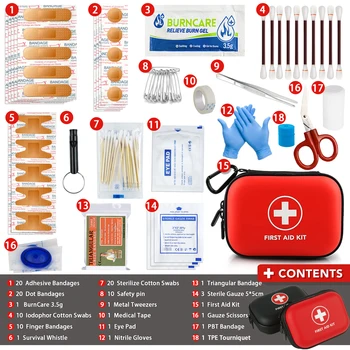
Every hike should include a basic collection of safety essentials. These items don’t add much weight but can make a huge difference if things go wrong.
Consider carrying:
- A first aid kit
- A map and compass or GPS device
- A fully charged phone and backup power bank
- A headlamp or flashlight
- An emergency whistle
- A multi-tool
- Extra food and snacks
- Plenty of water
- A water filtration system
- An emergency blanket or shelter
Experienced hikers often follow the “better to have it and not need it than need it and not have it” philosophy. When hiking alone, that mindset becomes even more important.
Stay Alert and Trust Your Instincts
One of the greatest advantages of solo hiking is the ability to fully connect with your surroundings. Use that opportunity to remain observant and aware throughout your journey.
Pay attention to trail markers, terrain changes, weather patterns, and wildlife activity. Avoid distractions that reduce awareness, such as wearing headphones at high volume.
Trust your instincts if something feels off. If a trail appears unsafe, weather conditions are worsening, or you’re feeling overly fatigued, don’t hesitate to change your plans. The mountains, forests, and trails will still be there another day.
Good judgment is one of the most valuable pieces of hiking equipment you can carry.
Stay Hydrated and Fueled
Fatigue and dehydration are among the most common causes of hiking-related problems. Even mild dehydration can reduce physical performance and impair decision-making.
Drink water regularly throughout your hike rather than waiting until you’re thirsty. Bring more water than you think you’ll need, especially during warm weather.
Pack high-energy snacks such as trail mix, protein bars, dried fruit, or nuts to maintain energy levels. Long hikes require consistent fuel, and keeping your body properly nourished helps prevent exhaustion and poor decision-making.
If your route includes natural water sources, carry a water filtration system so you can safely replenish your supply when needed.
Know Basic Navigation Skills
Technology has made navigation easier than ever, but relying solely on a smartphone can be risky. Batteries die, devices fail, and cell service often disappears in remote areas.
Every solo hiker should understand basic navigation techniques. Learn how to read a trail map and use a compass. Download offline maps before your trip and periodically verify your location while hiking.
One helpful habit is to look behind you occasionally while hiking. Trails often look different on the return trip, and recognizing landmarks from both directions can help prevent confusion later.
The more comfortable you become with navigation, the more confident you’ll feel exploring new trails.
Be Prepared for Wildlife Encounters
Encountering wildlife is one of the highlights of spending time outdoors, but it’s important to respect animals and maintain a safe distance.
Never feed wildlife or attempt to approach animals for photographs. Store food securely and avoid leaving food scraps behind. Learn about the animals commonly found in the area you’ll be visiting and understand recommended safety practices for each species.
Most wildlife encounters remain harmless when hikers stay calm, give animals space, and avoid surprising them.
Have an Emergency Plan
No matter how experienced you are, every solo hike should include an emergency strategy.
Think through potential situations before they happen. What would you do if you twisted an ankle? What if your phone lost power? What if you became lost after sunset?
Carrying an emergency communication device, such as a satellite messenger or personal locator beacon, can provide an additional layer of security when hiking in remote areas.
Preparation isn’t about expecting the worst—it’s about being ready if challenges arise.
Enjoy the Journey Responsibly
Solo hiking offers an unmatched sense of independence and adventure. It allows you to move at your own pace, enjoy quiet moments in nature, and build confidence with every mile.
The key to a successful solo hiking experience is balancing freedom with preparation. By planning ahead, carrying essential safety gear, staying aware of your surroundings, and respecting the power of nature, you can safely explore trails and create unforgettable outdoor memories.
Adventure starts with preparation, and the best solo hikers know that staying safe is what makes every journey truly enjoyable.






0 Comments