
Why Outdoor Recreation Is Becoming a Modern Essential
Outdoor recreation has evolved far beyond a weekend escape—it has become a core part of modern wellness, lifestyle balance, and even digital detox culture. In 2026, more people are intentionally stepping outside to reconnect with nature, reduce stress, and rediscover hands-on activities that feel meaningful.
From hiking forest trails and camping under the stars to kayaking calm waters and exploring niche hobbies like metal detecting, outdoor recreation is experiencing a major resurgence. This guide breaks down the latest trends, real-world benefits, and actionable ways you can get started—no matter your experience level.
You’ll walk away with practical insights, beginner-friendly tips, and a deeper understanding of why outdoor recreation is one of the fastest-growing lifestyle movements today.
1. Outdoor Recreation Trends in 2026: What’s Driving the Shift
The Rise of “Micro-Adventures”
One of the biggest trends shaping outdoor recreation is the shift toward micro-adventures—short, accessible outdoor experiences that don’t require long travel or expensive planning.
Examples include:
- Sunset hikes after work
- Weekend camping trips within city limits
- Early morning trail walks
- Beach exploration sessions
Search interest in phrases like “quick outdoor activities near me” and “weekend nature trips” continues to grow, showing that people want convenience without sacrificing experience.
Nature as a Digital Detox Solution
With increased screen time and remote work lifestyles, more individuals are actively seeking time away from devices. Outdoor recreation offers a natural reset for the mind.
Studies in behavioral wellness consistently show that time spent outdoors can:
- Improve focus and memory retention
- Reduce anxiety and mental fatigue
- Increase overall emotional resilience
This is why outdoor activities are now commonly recommended as part of mental health routines.
Growth of Hobby-Based Exploration (Including Metal Detecting)
A standout trend in outdoor recreation is the rise of skill-based hobbies that combine exploration with discovery. One of the fastest-growing examples is metal detecting.
Unlike traditional outdoor sports, metal detecting blends:
- History and curiosity
- Patience and observation
- Physical movement and exploration
Communities across beaches, parks, and rural areas report growing interest from beginners who want a more engaging outdoor experience beyond walking or hiking.
2. Key Benefits of Outdoor Recreation You Should Know
Physical Health Improvements
Outdoor recreation is one of the simplest ways to improve physical well-being without structured exercise programs.
Common benefits include:
- Increased cardiovascular activity from walking and hiking
- Improved endurance and mobility
- Better sleep patterns due to natural light exposure
Even moderate activity outdoors can significantly improve long-term health outcomes.
Mental and Emotional Wellness
Time in nature is strongly linked to emotional balance. The combination of movement, fresh air, and environmental stimulation helps regulate stress responses.
Key emotional benefits:
- Reduced cortisol (stress hormone) levels
- Improved mood stability
- Increased creativity and problem-solving ability
This is why outdoor recreation is often used as a therapeutic recommendation in wellness programs.
Social Connection and Family Bonding
Outdoor recreation also plays a major role in strengthening relationships. Shared experiences outdoors often lead to deeper connections than indoor activities.
Popular group activities include:
- Camping trips
- Group hikes
- Beach outings
- Community-based metal detecting clubs
These activities naturally encourage teamwork, communication, and shared discovery.
3. Metal Detecting: The Hidden Gem of Outdoor Recreation
Why Metal Detecting Is Gaining Popularity
Among modern outdoor hobbies, metal detecting stands out because it combines exploration with real discovery potential. Instead of just walking through nature, you’re actively searching for hidden objects beneath the surface.
People are drawn to it because:
- It is beginner-friendly and low-cost to start
- It offers a sense of mystery and excitement
- It can be done almost anywhere (with permission and rules followed)
The thrill of finding coins, relics, or historical items adds a unique layer of engagement rarely found in other outdoor activities.
How to Start Metal Detecting as a Beginner
If you’re new, starting is simpler than most people think.
Step 1 — Get a Beginner-Friendly Detector
Look for lightweight models with:
- Simple controls
- Adjustable sensitivity
- Clear audio or visual signals
Step 2 — Choose the Right Location
Begin in low-restriction areas like:
- Public beaches
- Open fields
- Parks (where permitted)
Always verify local rules before searching.
Step 3 — Learn Basic Sweeping Technique
- Move slowly in overlapping patterns
- Keep the coil close to the ground
- Listen carefully for consistent signals
With practice, your detection accuracy improves significantly.
Responsible Metal Detecting Practices
Sustainability matters in outdoor recreation. Responsible metal detecting ensures the activity remains welcome in public spaces.
Best practices include:
- Filling in all the dug holes
- Avoiding protected or historical sites without permission
- Removing any trash you uncover
- Respecting wildlife and natural habitats
This helps preserve access for future enthusiasts.
4. How to Build a Sustainable Outdoor Recreation Habit
Start Small and Stay Consistent
You don’t need long expeditions to benefit from outdoor recreation. Consistency matters more than intensity.
Start with:
- 20–30 minute outdoor walks
- One weekend activity per week
- Gradually adding new hobbies like hiking or metal detecting
Track Your Outdoor Experiences
Keeping a simple log can improve motivation. Record:
- Locations visited
- Activities completed
- Discoveries or memorable moments
This builds a sense of progress and encourages long-term engagement.
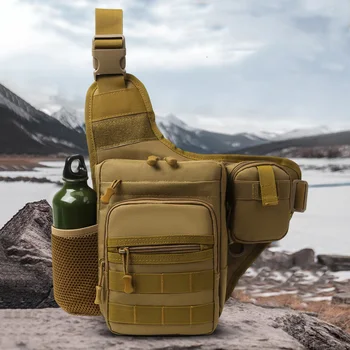
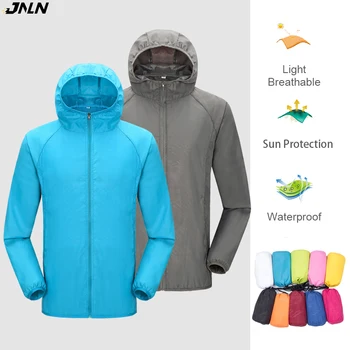
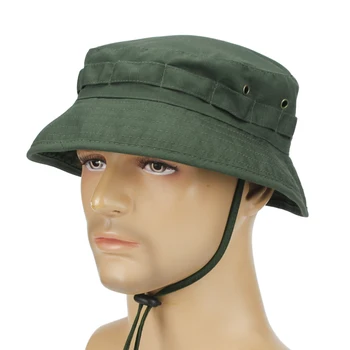
Invest in Versatile Gear
Instead of buying specialized equipment immediately, focus on multipurpose essentials:
- Comfortable footwear
- Durable backpack
- Weather-appropriate clothing
- Basic tools for exploration
This keeps entry costs low while maximizing flexibility.
Outdoor Recreation Is a Lifestyle, Not a Trend
Outdoor recreation in 2026 is more than just a leisure activity—it’s a lifestyle movement centered on health, curiosity, and real-world experiences. Whether you’re hiking local trails, joining community adventures, or exploring unique hobbies like metal detecting, the goal is the same: reconnect with the world beyond screens.
By starting small, staying consistent, and exploring responsibly, you can turn outdoor recreation into a meaningful long-term habit that benefits both body and mind.
If this guide helped you, consider sharing it with fellow outdoor enthusiasts or using it as a starting point for your own outdoor journey.




0 Comments