
Outdoor recreation has evolved dramatically in the past decade. From traditional hiking and camping to modern backpacking apps and GPS-enabled adventure tracking, today’s outdoor enthusiasts have more tools than ever before. Yet despite this technological progress, one issue remains consistently responsible for outdoor mishaps: poor navigation and weak communication planning.
Whether you’re exploring mountain trails, dense forests, coastal paths, or remote backcountry areas, understanding navigation & communication strategies is no longer optional—it’s essential. These skills determine not only how confidently you explore but also how safely you return.
In this guide, you’ll discover practical, real-world strategies designed to improve your outdoor awareness, reduce risk, and help you stay connected even in low-signal or no-signal environments. You’ll also learn how modern tools and traditional methods work together to create a reliable safety system for any adventure.
Why Navigation & Communication Are Critical in Outdoor Recreation
The Growing Complexity of Outdoor Exploration
Outdoor recreation is more accessible today, but trails and environments are also more crowded and unpredictable. Weather events are increasingly volatile, trail conditions change faster, and more people are venturing into unfamiliar terrain without preparation.
At the same time, digital reliance has increased. Many adventurers depend entirely on smartphones, assuming GPS will always work. However, studies and outdoor rescue reports consistently show that signal loss, battery failure, and app inaccuracies are common contributing factors in outdoor emergencies.
The Most Common Outdoor Navigation Failures
Some of the most frequently reported issues include:
- Relying only on digital maps without offline backups
- Losing track of trail intersections in dense terrain
- Misjudging distance and elevation gain
- Failing to communicate route changes to group members
These problems highlight a simple truth: navigation & communication must work together as a system, not as separate skills.
Core Navigation Strategies Every Outdoor Enthusiast Should Master
Map Reading for Real-World Terrain Awareness
Topographic map reading remains one of the most reliable navigation skills in outdoor recreation. Unlike GPS apps, maps show the broader landscape, including elevation, water sources, ridges, and valleys.
Key skills to develop:
- Understanding contour lines and elevation shifts
- Identifying natural landmarks like rivers and peaks
- Planning alternative exit routes in advance
Even experienced hikers benefit from regularly practicing map interpretation before trips.
Compass Navigation for Reliable Direction
A compass is one of the most dependable tools when visibility drops or technology fails. When combined with a map, it allows you to maintain accurate bearings regardless of environmental conditions.
Practical uses include:
- Staying oriented in fog or dense forest areas
- Following pre-planned directional bearings
- Preventing accidental loops or wrong turns
The key is not just carrying a compass, but practicing with it in real conditions before relying on it in emergencies.
GPS and Offline Navigation Best Practices
Modern GPS tools are incredibly useful, but they should always be used strategically:
- Download offline maps before every trip
- Mark key checkpoints such as campsites or junctions
- Carry a fully charged power bank for backup power
- Avoid relying solely on live tracking features
A balanced approach ensures that digital tools enhance, rather than replace, traditional navigation methods.
Communication Strategies for Safer Outdoor Adventures
Establish a Pre-Adventure Communication Plan
One of the most overlooked aspects of outdoor safety is pre-trip communication. Before leaving, always share:
- Exact route and planned stops
- Expected return time
- Emergency contact details
- Backup plans if the route changes
This ensures that if something goes wrong, responders have clear information to act quickly.
Structured Check-In Systems
A consistent check-in system is a simple but powerful safety habit.
Effective methods include:
- Scheduled text updates during long hikes
- Group checkpoints at trail intersections
- Time-based check-ins for solo travelers
For example, many experienced hikers follow a “no check-in within X hours triggers action” rule, ensuring that delays are treated seriously.
Emergency Communication Tools for Remote Areas
In areas with no cellular signal, specialized tools become critical:
- Satellite messengers for SOS alerts
- Two-way radios for group coordination
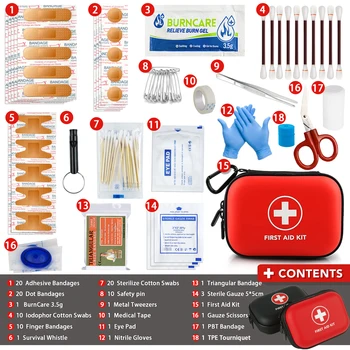
- Emergency whistles for short-distance signaling
These tools dramatically increase the likelihood of successful rescue operations in remote outdoor environments.
Integrating Navigation & Communication into One Safety System
Building Redundancy into Every Trip
The most effective outdoor safety strategy is redundancy—having multiple ways to navigate and communicate.
A strong system includes:
- Paper map + compass as a backup
- GPS app with offline capability
- Pre-planned communication schedule
- Emergency signaling tools
This layered approach ensures that if one system fails, others remain functional.
Example Scenario: Losing Signal on a Hiking Trail
Imagine hiking deep into a forested trail when your phone loses signal and battery drops unexpectedly. Without preparation, this could become a serious situation.
But with proper navigation & communication strategies:
- You use your map to confirm the trail direction
- A compass keeps you oriented toward the exit route
- Your pre-shared plan informs others of your expected return time
- A satellite messenger allows emergency contact if needed
This combination turns a potentially dangerous situation into a manageable delay.
Tips for Outdoor Enthusiasts
- Always prepare navigation tools before departure
Don’t wait until you’re on the trail to download maps or pack essentials. - Never depend on a single device or app
Technology can fail—always carry analog backups. - Practice navigation skills regularly
Skills degrade without use, especially compass reading and map interpretation. - Communicate your plan clearly before every trip
Even short hikes should have a shared itinerary. - Treat communication as part of your survival kit
It is just as important as food, water, and shelter.
Modern outdoor recreation is more exciting and accessible than ever, but it also demands smarter preparation. By mastering navigation & communication strategies, you significantly reduce risk while improving confidence and enjoyment in every adventure.
These skills are not just technical—they are foundational to safe exploration. When combined with the right tools and habits, they create a reliable system that keeps you oriented, connected, and prepared in any environment.
If you’re serious about outdoor adventures, start treating navigation and communication as core survival skills rather than optional extras.
Share this guide with fellow outdoor enthusiasts, or subscribe for more expert insights designed to help you explore smarter and safer.




0 Comments