Outdoor recreation becomes a completely different experience when conditions shift from pleasant to unpredictable. A sunny trail hike can turn into a cold, wet overnight challenge if you’re not properly equipped. That’s why understanding shelter & sleeping gear is not just about comfort—it’s about survival, safety, and long-term enjoyment of the outdoors.
In this guide, you’ll learn how to choose reliable shelter systems, build an effective sleeping setup, and apply real-world survival strategies used by experienced campers and backpackers. Whether you’re heading into alpine environments, forest camps, or remote wilderness areas, these principles will help you stay warm, dry, and well-rested.
Why Shelter & Sleeping Gear Is Critical in Outdoor Recreation Survival
Your First Line of Defense Against Nature
In outdoor survival situations, exposure is often more dangerous than hunger or fatigue. Weather conditions can change rapidly, especially in high-altitude or mountainous regions like Banff National Park, where temperatures can drop dramatically overnight even in summer.
Your shelter and sleeping system protect you from:
- Hypothermia caused by cold air and wind
- Heat loss through the ground
- Rain, snow, and moisture exposure
- Exhaustion from poor sleep quality
Retail outdoor experts, including organizations like REI, consistently emphasize that beginners often underestimate sleeping system performance, leading to discomfort or unsafe conditions in the field.
Understanding Shelter Options for Outdoor Survival
Choosing the Right Protection for Your Environment
Your shelter is the foundation of your survival system. The right choice depends on terrain, climate, and mobility needs.
Tents (Best for All-Around Protection)
Tents are the most versatile shelter option for outdoor recreation. Modern designs offer:
- Waterproof rainflies and sealed seams
- Wind resistance for exposed terrain
- Bug protection in forested areas
Backpacking tents are lightweight for long-distance hiking, while dome tents provide stability in harsh weather conditions.
Tarps (Ultralight and Flexible)
Tarps are widely used in survival scenarios because they are:
- Extremely lightweight
- Quick to deploy
- Highly adaptable to terrain
However, they require skill to set up effectively and provide less insulation compared to enclosed tents.
Emergency Shelters (Bivy Sacks and Heat Reflective Systems)
Emergency shelters are designed for survival rather than comfort. They are compact, waterproof, and often used as backup protection in case of unexpected weather changes.
Sleeping Gear: The Core of Outdoor Recovery
Why Sleep Systems Matter More Than You Think
A strong sleep system directly affects energy levels, decision-making, and physical performance the next day. Studies in outdoor endurance activities consistently show that poor sleep increases fatigue risk and reduces reaction time.
Your sleep system typically includes:
- Sleeping bag (insulation and warmth)
- Sleeping pad (ground insulation)
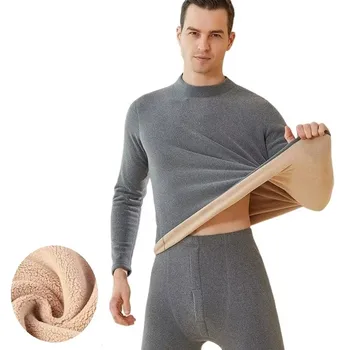
- Liner or additional thermal layers
Without proper insulation, the ground can absorb up to 50–60% of body heat, making even mild temperatures feel dangerously cold.
Survival-Driven Strategies for Shelter & Sleeping Gear
1. Match Sleeping Bag Ratings to Real Conditions
Do not rely solely on “comfort ratings.” Instead:
- Choose a sleeping bag rated 5–10°C lower than expected nighttime temperatures
- Account for wind chill and altitude changes
- Use liners for additional flexibility
2. Prioritize Ground Insulation Over Extra Clothing
A common mistake in outdoor recreation is layering clothing instead of insulating from below. A high-quality sleeping pad prevents heat loss far more effectively than extra jackets or blankets.
3. Waterproof Your Shelter Setup Before You Need It
Rain can arrive unexpectedly, especially in forested or alpine regions. Always:
- Seal tent seams
- Elevate the gear off the ground
- Choose elevated campsites away from water runoff
Even popular hiking destinations like Yosemite National Park can experience sudden weather shifts that 4. Layer Your Sleep System for Adaptability
Instead of relying on a single heavy sleeping bag, build a modular system:
- Lightweight sleeping bag
- Thermal liner for cold nights
- Compressible blanket or extra insulation layer
This allows you to adjust to changing climates without carrying excessive weight.
5. Choose Your Campsite Strategically
Where you sleep is just as important as what you sleep in. Look for:
- Natural wind barriers (trees, rock formations)
- Flat, elevated ground
- Distance from water sources (to avoid flooding or insects)
Proper site selection can improve warmth and safety more than upgrading gear alone.
Common Mistakes in Outdoor Survival Gear Setup
Even experienced adventurers make errors that reduce safety and comfort:
- Overpacking heavy gear that limits mobility
- Ignoring weather forecasts before departure
- Using summer-rated gear in cold environments
- Failing to test the shelter setup before trips
Avoiding these mistakes significantly increases your survival readiness and comfort in unpredictable environments.
Outdoor recreation survival is not just about having gear—it’s about knowing how to use it effectively. Shelter & sleeping gear form the foundation of every safe and successful outdoor experience, protecting you from environmental risks while ensuring proper rest and recovery.
By choosing the right shelter, optimizing your sleep system, and applying proven survival strategies, you can dramatically improve both safety and enjoyment in the wilderness.
If you found this guide helpful, consider sharing it with fellow outdoor enthusiasts or subscribing to more in-depth outdoor recreation survival insights and gear strategies.





0 Comments