Choosing the right camping equipment is one of the most important steps in planning a successful outdoor adventure. Whether you’re heading into the mountains, setting up by a lake, or going on a weekend forest escape, your gear determines how safe, comfortable, and enjoyable your experience will be.
Yet many outdoor enthusiasts struggle with the same question: What camping equipment do I actually need for my trip? The answer depends on your destination, duration, weather conditions, and activity level.
In this guide, you’ll learn how to confidently choose the right gear for any type of outdoor recreation—without overpacking, overspending, or missing essentials.
Understanding Your Outdoor Adventure Before Choosing Gear
Before buying or packing anything, you need clarity on your trip type. One of the biggest mistakes outdoor beginners make is treating all camping trips the same.
Key Factors That Define Your Gear Needs
1. Type of Camping Trip
Different adventures require different setups:
- Backpacking trips: lightweight, compact, multi-functional gear
- Car camping: comfort-focused, heavier equipment allowed
- Hiking-based camping: minimal essentials with high durability
- Family camping: space, safety, and convenience prioritized
2. Duration of Stay
A one-night trip requires far less preparation than a multi-day expedition. Longer stays demand:
- extra food storage solutions
- durable shelter systems
- backup clothing layers
- reliable cooking setups
3. Environment and Weather Conditions
Weather is one of the most overlooked factors in choosing camping equipment.
Ask yourself:
- Will it rain or snow?
- Are temperatures expected to drop at night?
- Is the terrain exposed or forested?
Understanding these conditions helps prevent discomfort and safety risks.
Essential Camping Equipment You Should Always Consider
No matter your adventure type, there are core items every outdoor enthusiast should evaluate carefully.
Shelter Systems That Match Your Environment
Your tent or shelter is the foundation of your camping setup.
What to look for:
- Weather resistance (wind, rain protection)
- Season rating (3-season vs 4-season)
- Set up speed and simplicity
- Weight (especially for hiking trips)
For example:
- Lightweight tents are ideal for hiking-focused adventures
- Spacious dome tents work well for group camping
- Insulated tents are better for cold-weather environments
Sleeping Systems That Impact Recovery
A good night’s sleep is essential for energy and safety outdoors.
Your sleeping system should include:
- sleeping bag with temperature rating
- insulated sleeping pad
- compact pillow or clothing-based support
- moisture barrier for ground protection
Many outdoor enthusiasts underestimate how much sleep quality affects performance during hiking and physical activity.
Cooking and Food Preparation Gear
Food is fuel, and your cooking setup should match your adventure style.
Must-have items:
- portable stove or burner
- lightweight cookware set
- reusable utensils
- weather-resistant food storage
Trends in outdoor recreation show growing demand for compact and fuel-efficient cooking systems, especially among backpackers and weekend campers.
4 Smart Strategies for Choosing Camping Equipment Wisely
1. Prioritize Multi-Functional Gear
Instead of packing multiple items, choose gear that serves more than one purpose.
Examples:
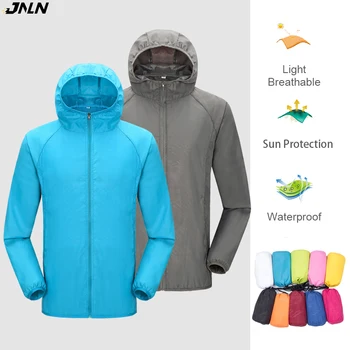
- jackets that double as windproof layers
- cookware that nests together
- backpacks with integrated rain covers
This reduces weight and simplifies packing decisions.
2. Match Weight to Activity Level
Weight is one of the most critical decision factors in outdoor recreation.
- Hiking and backpacking → ultralight gear is essential
- Car camping → weight is less important, comfort matters more
A common rule among experienced campers:
Every extra kilogram feels heavier after 10 kilometers on the trail.
3. Invest in Durability Over Cheap Alternatives
Low-cost gear may seem appealing, but outdoor conditions are unpredictable.
Durable materials like reinforced nylon, aluminum frames, and waterproof coatings significantly improve safety and longevity.
Spending slightly more upfront often reduces long-term replacement costs.
4. Prepare for Weather Variability
Even if the forecast looks stable, outdoor environments can change quickly.
Always include:
- rain protection layers
- thermal insulation options
- wind-resistant shelter features
This is especially important in mountain or coastal camping areas where conditions shift rapidly.
5. Build Your Gear System Gradually
You don’t need to buy everything at once.
Start with essentials:
- shelter (tent or tarp system)
- sleeping setup
- cooking system
- lighting (headlamp or lantern)
- weather protection gear
Then upgrade based on real experience after each trip.
This approach helps prevent unnecessary spending and builds confidence in your setup.
Common Mistakes to Avoid When Choosing Camping Equipment
Many beginners fall into predictable traps:
- Overpacking unnecessary items
- Choosing gear based only on price
- Ignoring weather ratings
- Buying advanced equipment too early
Avoiding these mistakes ensures a smoother and more enjoyable outdoor experience.
Smarter Choices Lead to Better Outdoor Adventures
Choosing the right camping equipment is not about buying the most expensive gear—it’s about selecting tools that match your environment, activity level, and personal comfort needs.
When you understand your trip type, prioritize essential gear, and avoid common mistakes, every outdoor adventure becomes safer and more enjoyable.
As outdoor recreation continues to grow in popularity, learning how to make smarter gear decisions will keep you prepared for anything nature brings.
If you found this guide helpful, consider sharing it or subscribing to more expert outdoor recreation insights and gear strategies.




0 Comments